Connecting capacity building with lasting educational change
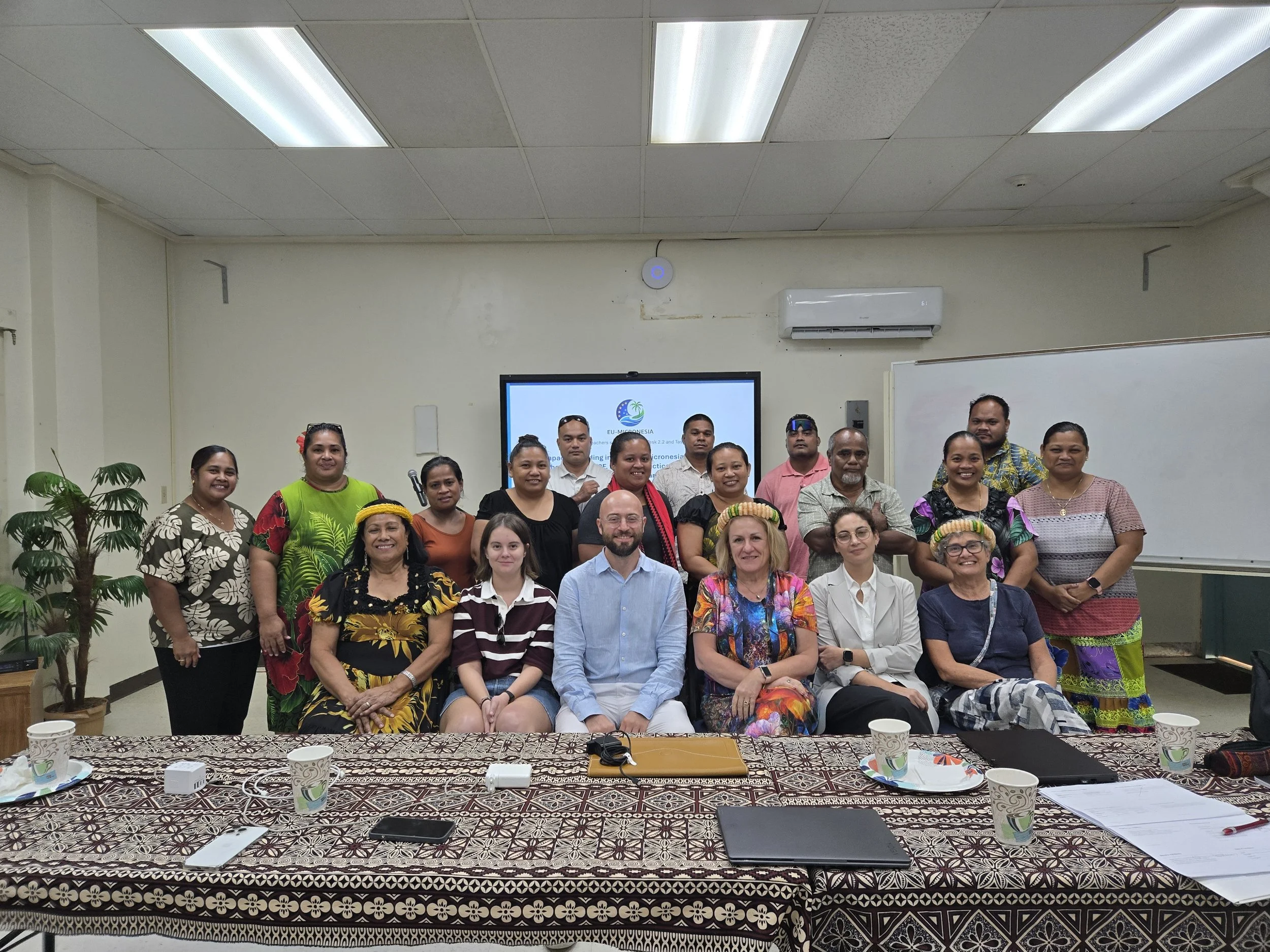
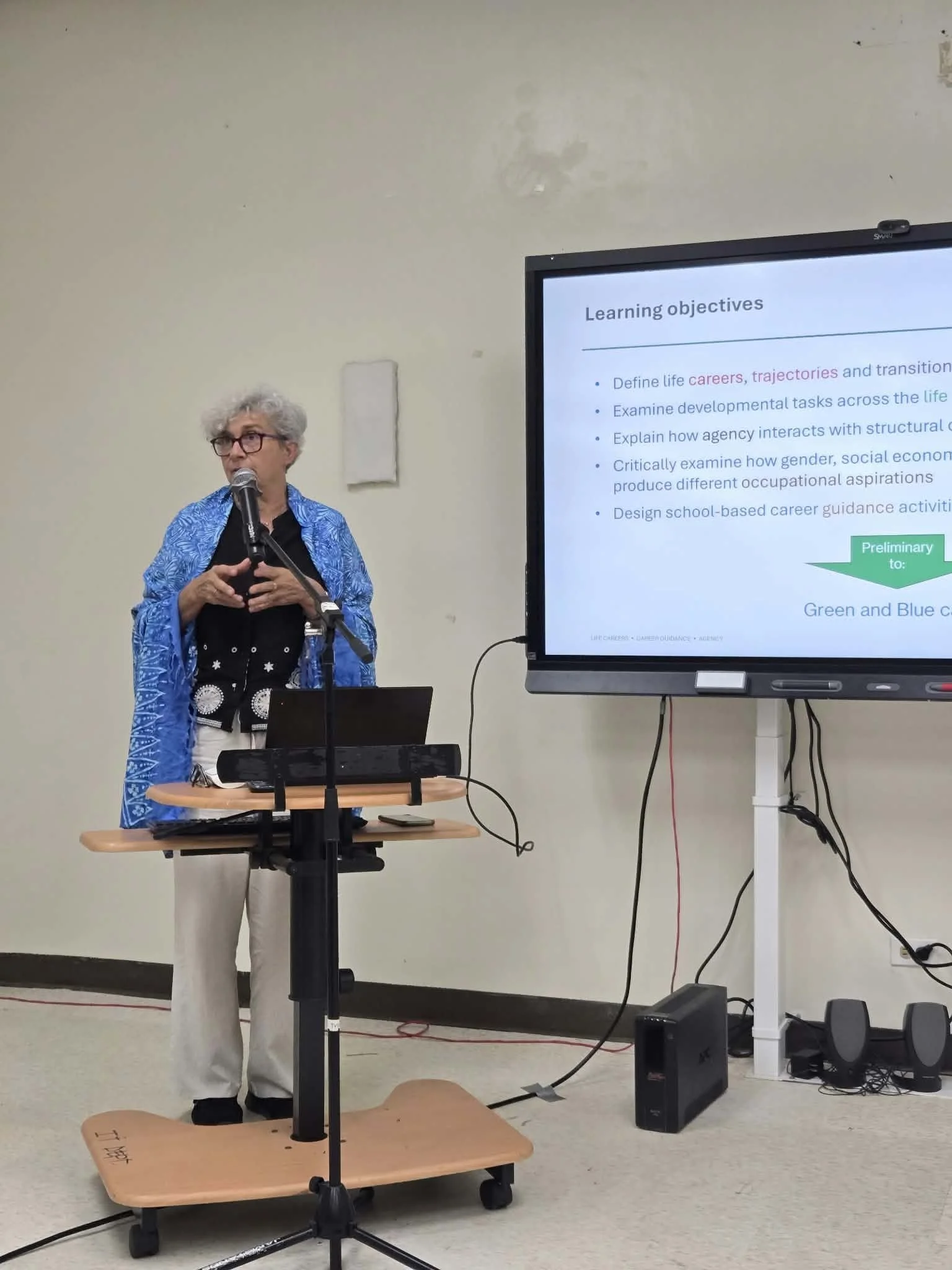
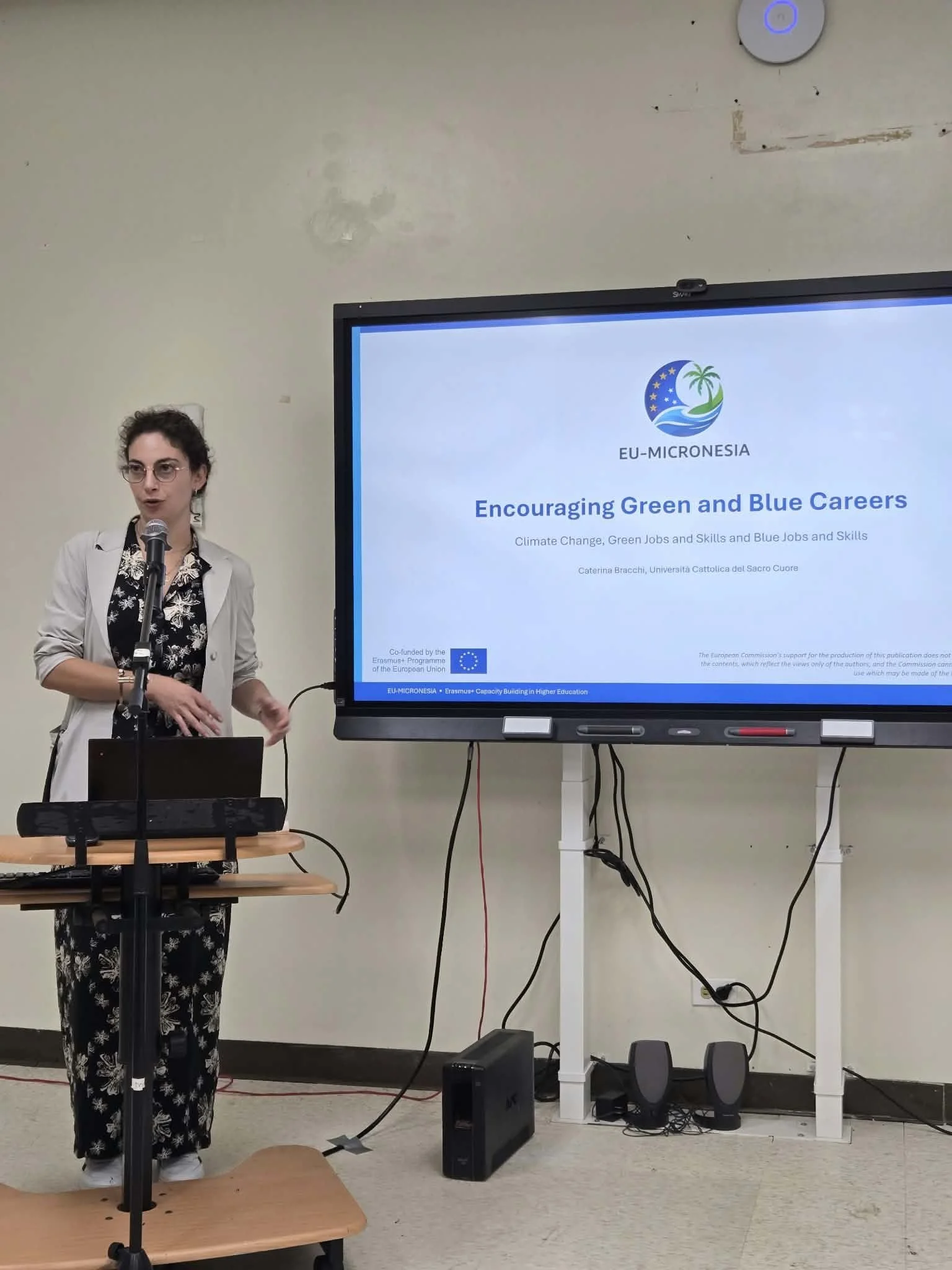
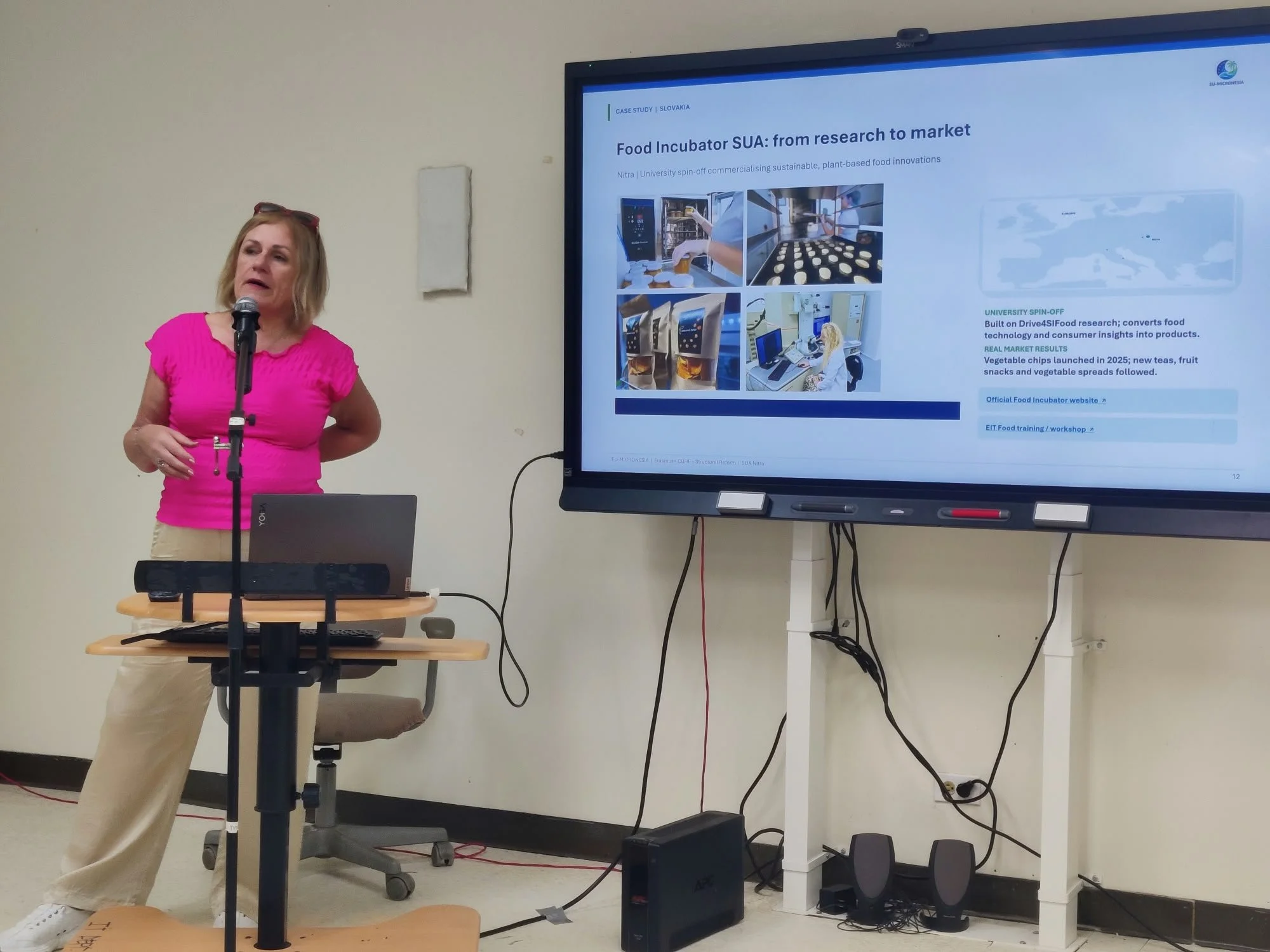
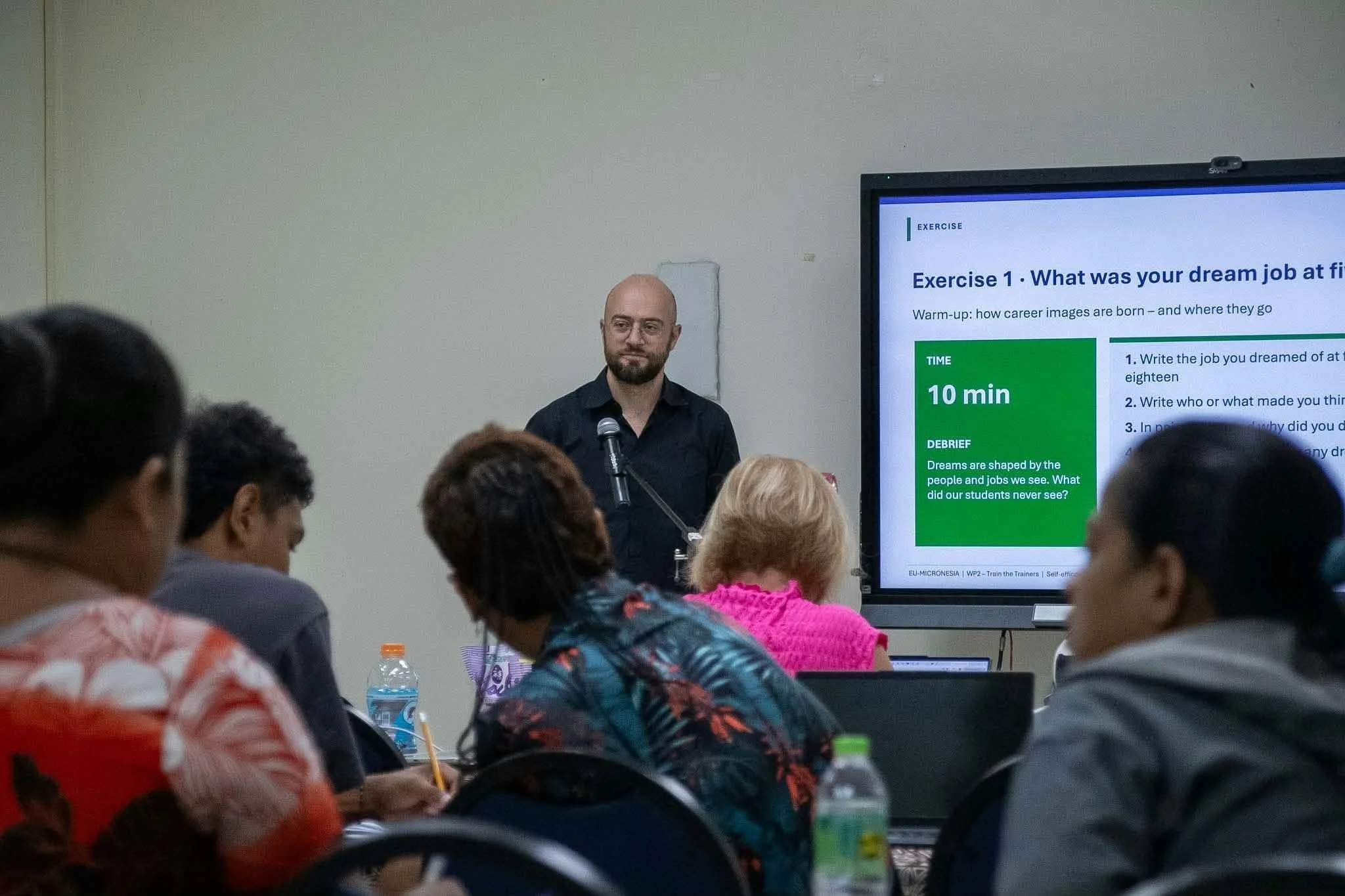
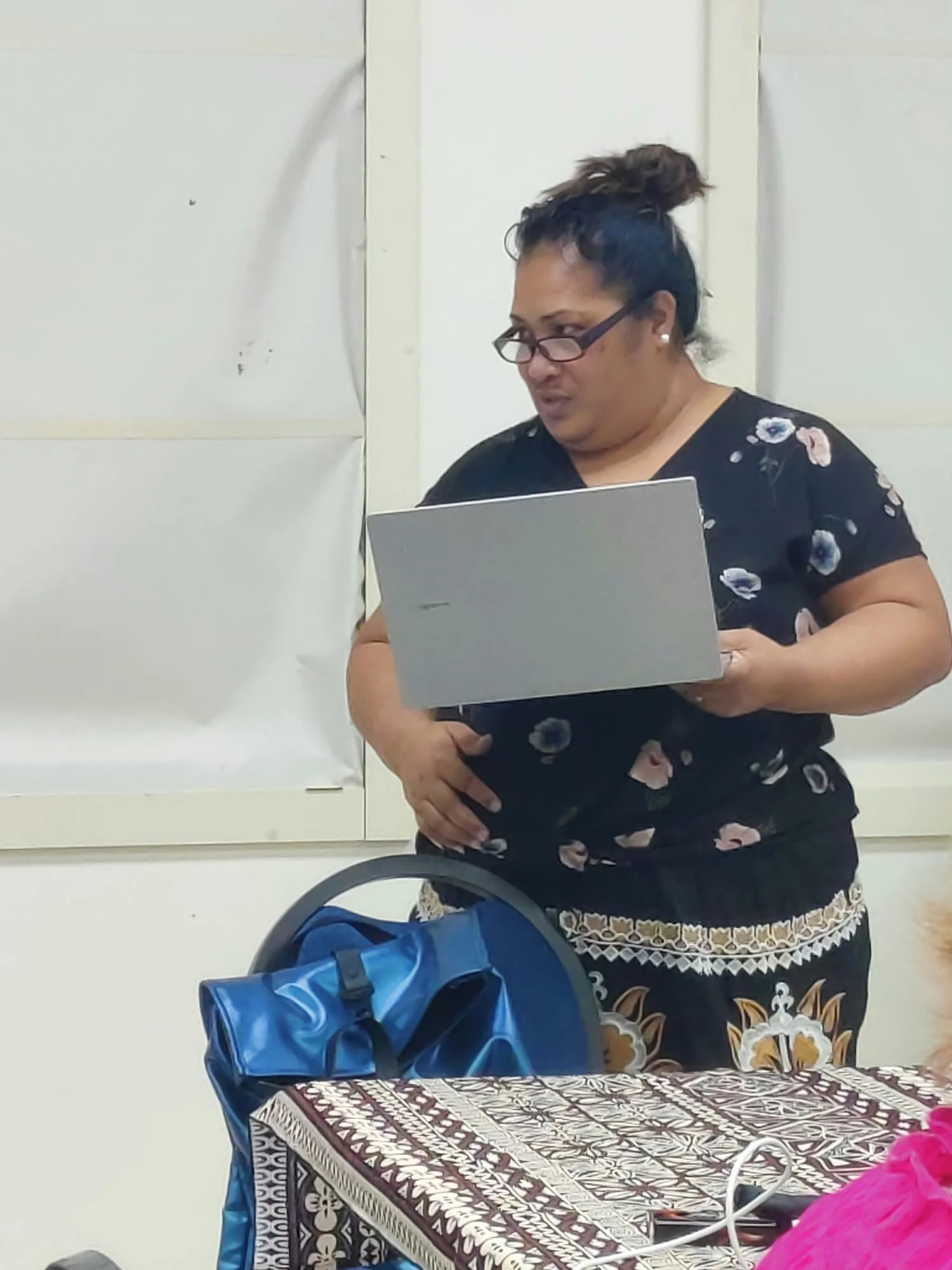
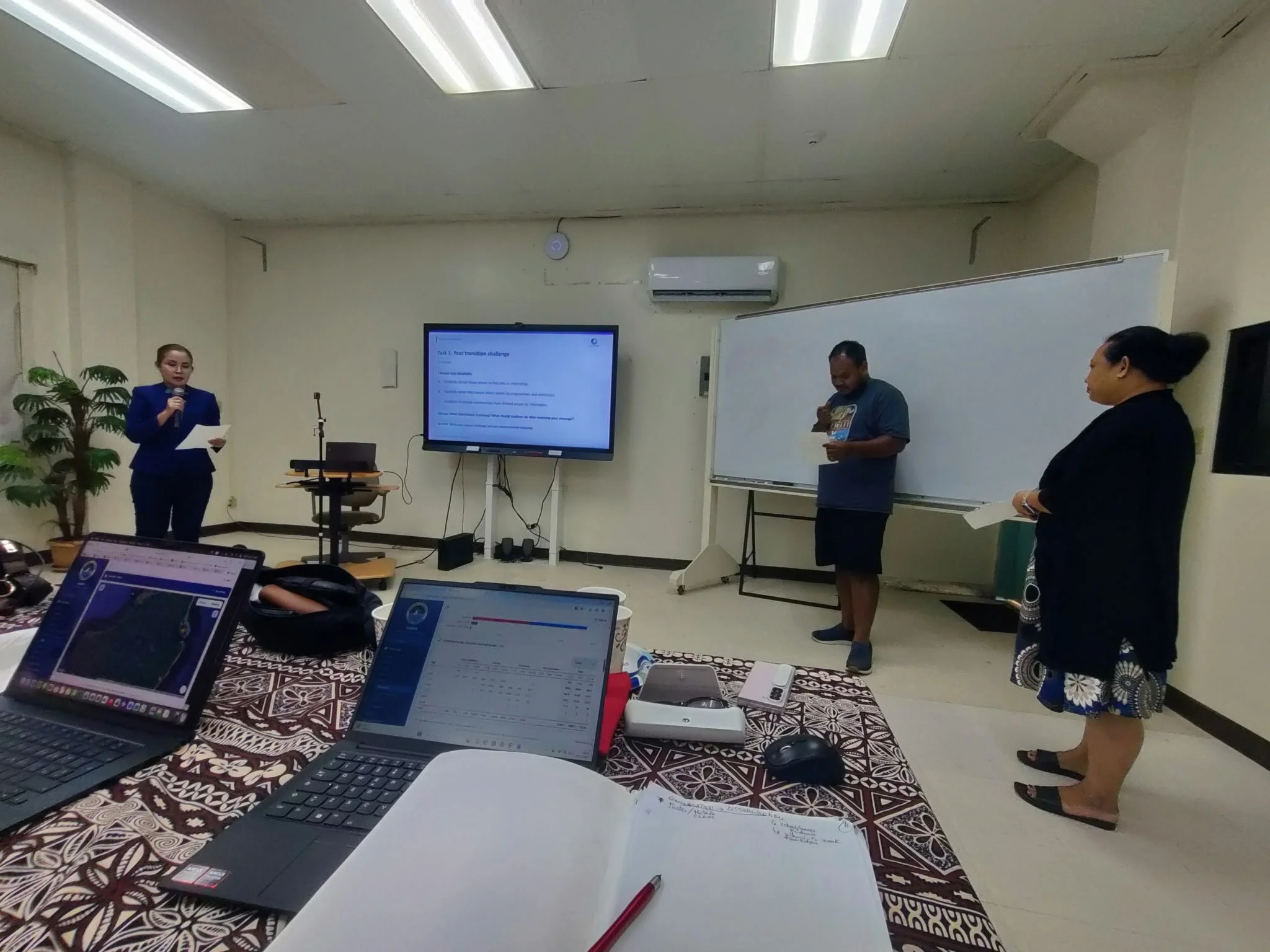
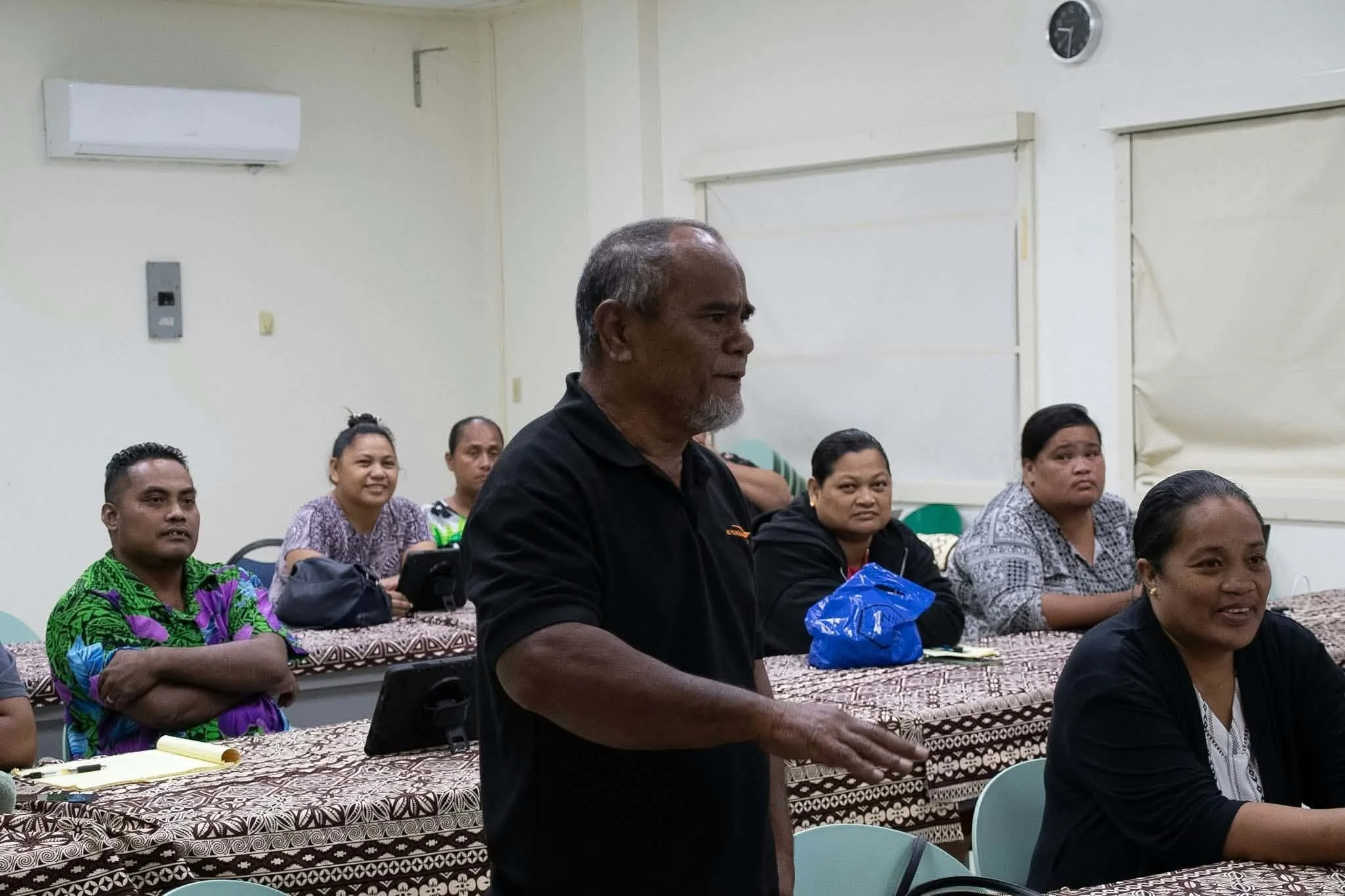
As we begin the second week of EU-MICRONESIA capacity-building activities on Chuuk, we bring with us the teaching experiences, local examples and questions explored during our first week on Pohnpei. Our sessions connected sustainability with education and career opportunities: translating European Green Deal concepts into the Micronesian context, exploring pathways from school to higher education and employment, and discussing how to communicate these opportunities to students, families and communities.
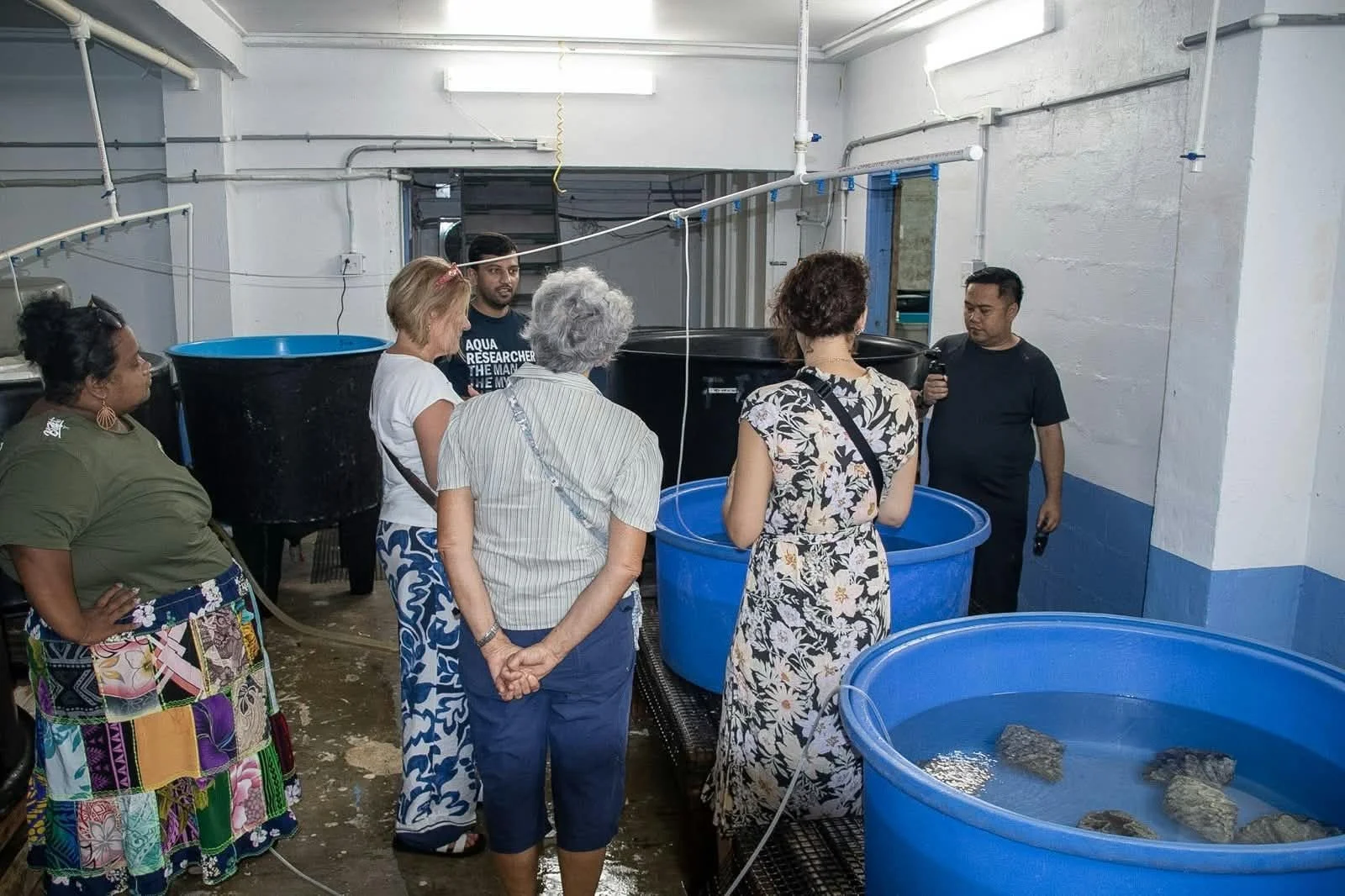
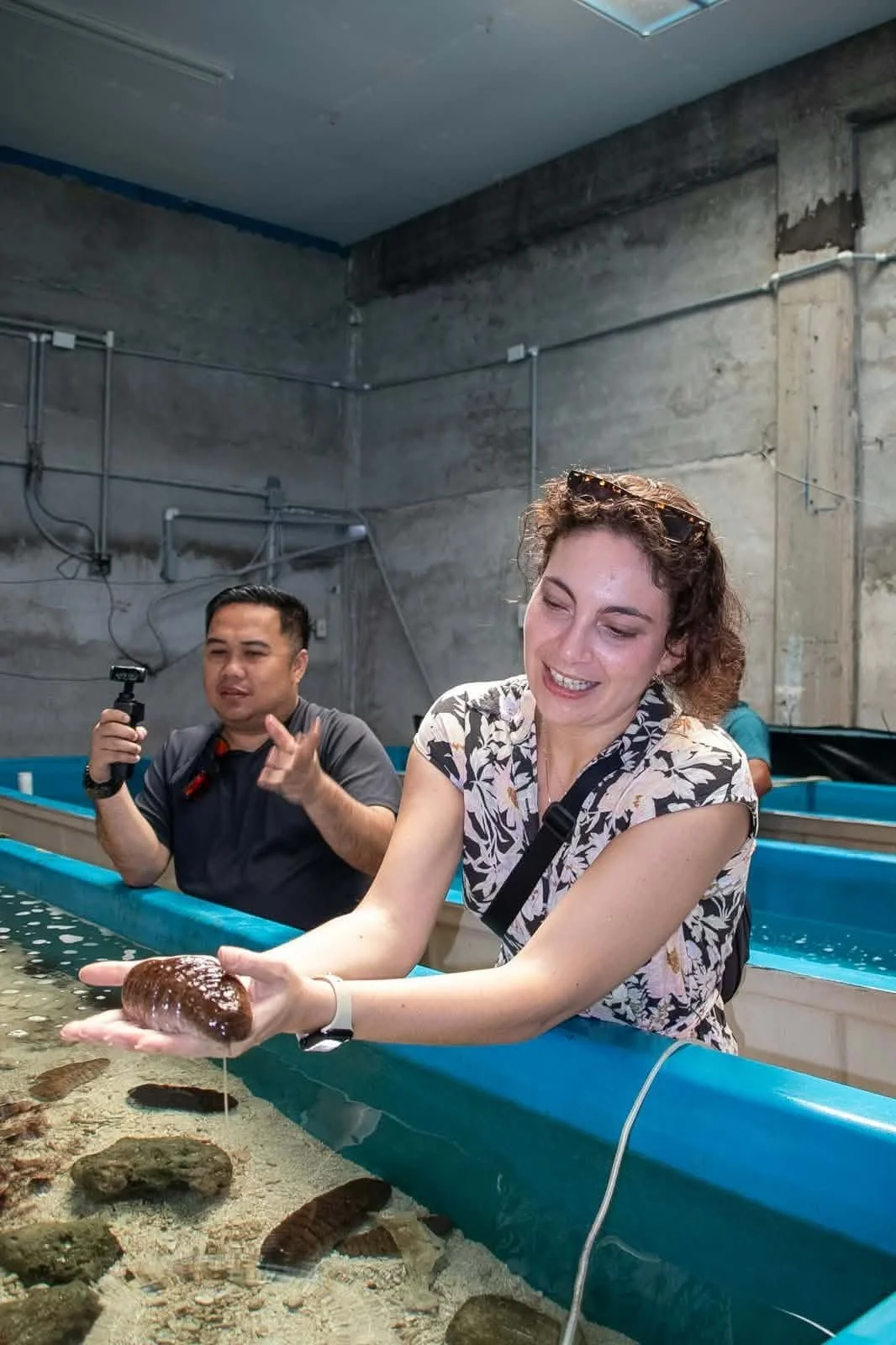
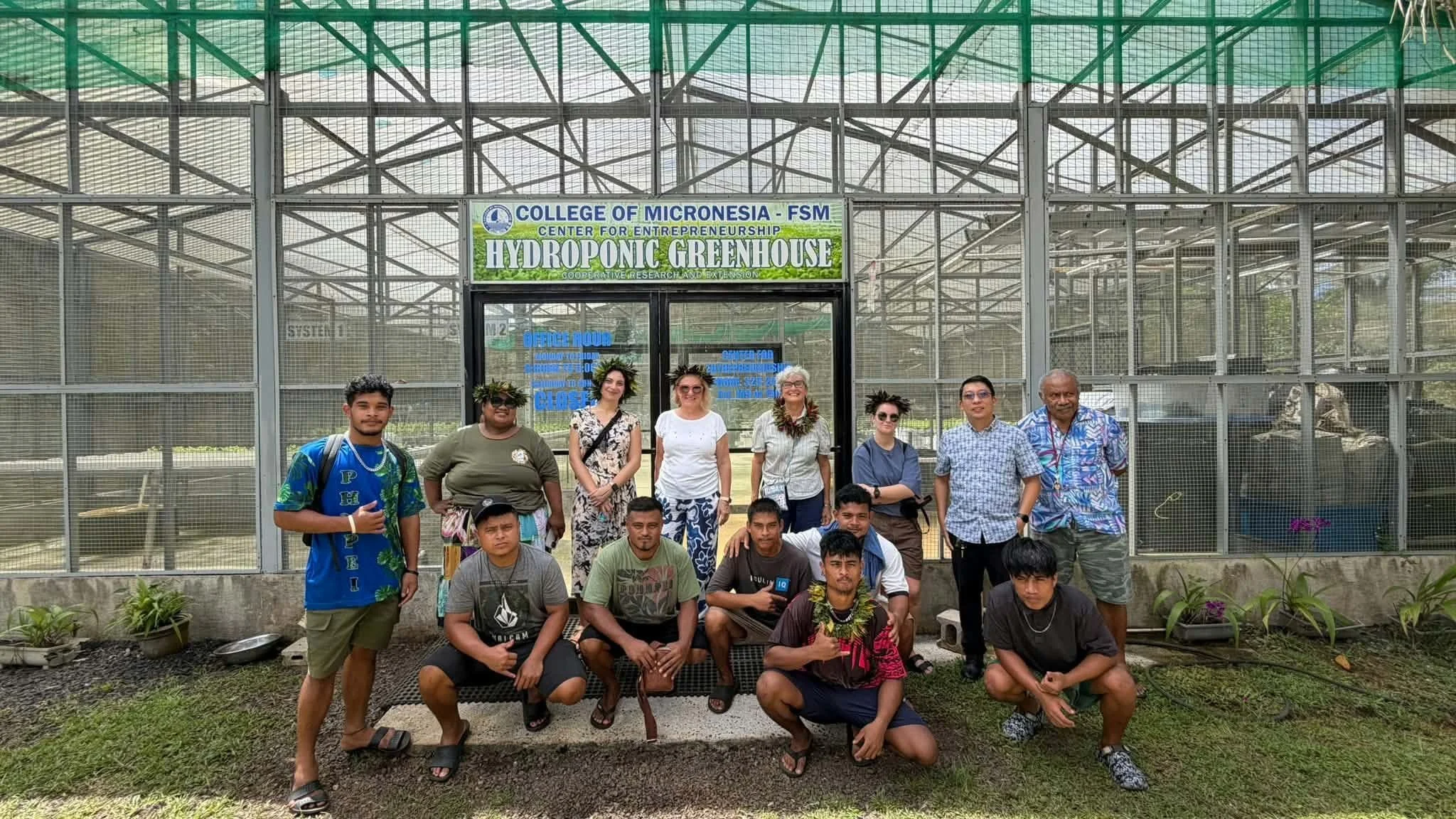
Visits to the College of Micronesia-FSM’s Center for Entrepreneurship Demo Gardens and Nett Point Aquaculture Hatchery added a practical perspective. These local examples helped connect our training themes with food production, aquaculture, applied research and the skills needed in island communities.
One key outcome of the week is a clearer connection between the concepts addressed in training and the local settings that can make them meaningful for learners. This connection is central to our vision for D2.1 — the Train-the-Trainer Toolkit.
The proposed toolkit will turn training content and local experience into reusable teaching resources: session guidance, classroom activities, career pathway tools, field-learning templates and assessment approaches. Its planned six resource packs will cover sustainability, green and blue careers, school–community cooperation, local food and cultural heritage, inclusive EcoSTEAM, and digital learning in remote islands. The ambition extends beyond producing materials. Working with NDoE and COM-FSM, we aim to develop a locally relevant competence framework and explore how these resources can support initial teacher education, continuing professional learning and internships. Institutional validation and agreed adoption procedures will be essential steps. On Chuuk, we continue this work with further opportunities to examine inclusion, EcoSTEAM, women’s participation in STEM and learning across remote communities.
The question guiding the next stage is practical: how can what we learn together become something that teachers can adapt, use and sustain after the training ends?
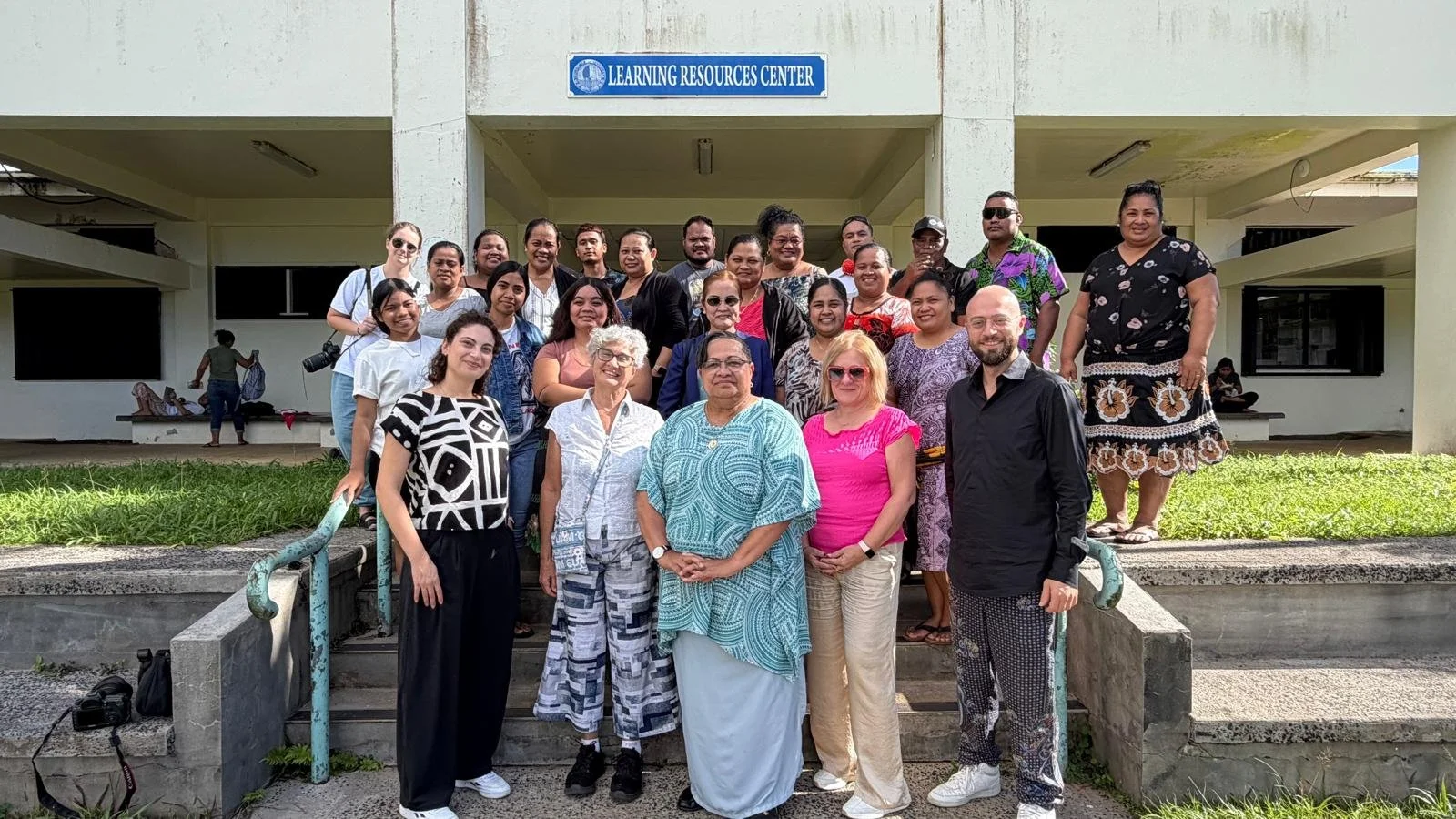
Thank you to our Micronesian hosts, participants and project partners for helping shape that next step.